Chosen theme: Innovative Technology for At-Home Fitness. Welcome to a friendly, motivating hub where connected devices, adaptive coaching, and playful design transform your space into a training ritual you’ll actually look forward to. Subscribe for weekly experiments, and share which tool most improved your consistency.
From Living Room to Lab: Building a Smarter Home Gym
Modern smart mirrors do more than mirror your determination. They analyze posture, cue safer joint angles, and nudge rep tempo in real time. One reader confessed the tiny on-screen “nice correction!” kept them returning daily. Have you tried one, and did the live feedback actually stick?
From Living Room to Lab: Building a Smarter Home Gym
Adaptive plans interpret heart rate, perceived exertion, and movement quality to auto-tune load, rest, and exercise selection. After a rough sleep or busy day, the program softens intensity without guilt. Share your experience with auto-deloads and whether dynamic adjustments helped you avoid plateaus or frustration.
Wearables That Listen So You Can Train Wiser
Heart rate variability offers a window into stress, recovery, and nervous system balance. On high-readiness mornings, lift heavy or chase intervals; on low days, pivot to mobility and breathwork. Have you noticed better results by honoring HRV signals, or do you still rely mainly on motivation and coffee?
Tiny accelerometers and gyroscopes reveal the truth about bar path, depth, and velocity. That honesty prevents ego-lifting and reinforces safer patterns. If a sensor flagged your squat depth or swing speed today, would you adjust immediately or wait for weekly trends? Share how objective feedback changed your technique.
Sleep quality quietly governs your performance ceiling. Wearables that track duration, stages, and consistency can suggest smarter training choices. Many readers report fewer injuries after aligning intensity with sleep scores. Do you let your sleep data dictate programming, or do you train hard regardless and adjust recovery afterward?
Make It Fun: Gamification That Actually Works
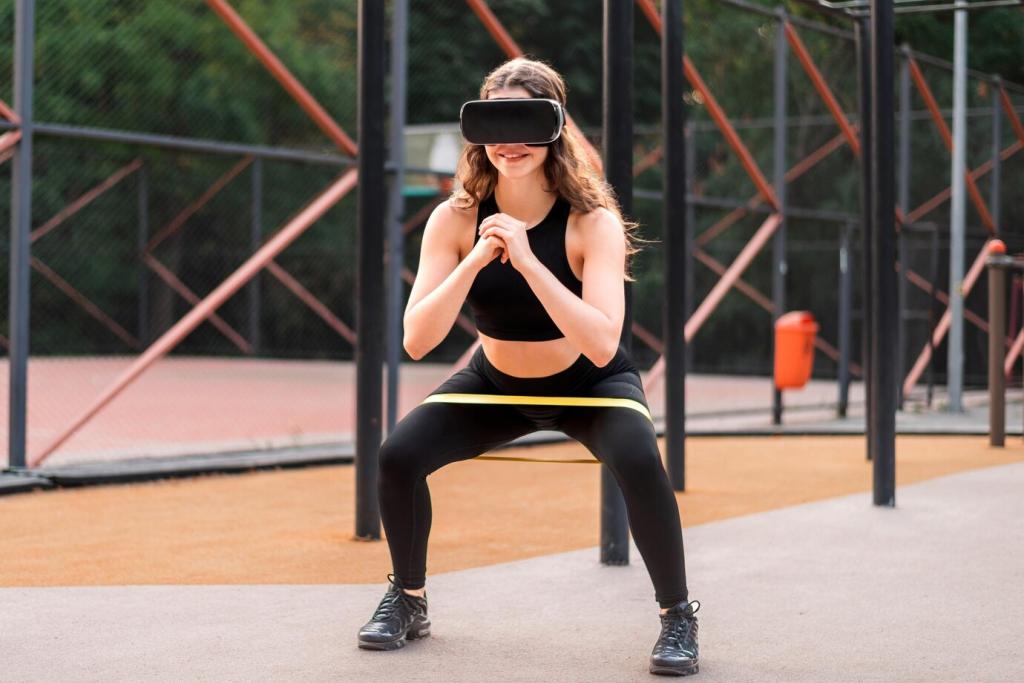
Micro-goals—ten perfect pushups, one focused breathing session, or a crisp ten-minute ride—stack into streaks that feel earned, not forced. Maya, a reader juggling shifts, swears VR boxing streaks saved her energy on tough weeks. What micro-quest would you set for the next seven days to build traction?
Make It Fun: Gamification That Actually Works
Lightweight group challenges and private leaderboards create accountability without public shaming. Think “three workouts together this week” instead of ruthless rankings. Invite a friend, sync schedules, and share one small win per session. Which style keeps you engaged: quiet duos, tiny teams, or wider community vibes?

Designing a High-Impact, Low-Footprint Space
Wall-mounted racks, foldable benches, and magnetic storage keep tools visible yet unobtrusive. The less clutter, the faster you start. Visual cues like a rolled mat by the mirror or a kettlebell near sunlight are powerful. What single tweak would reduce your setup friction by half this week?
Warm lighting for mobility, energizing brightness for intervals, and a favorite playlist can anchor habit loops. A subtle citrus or mint scent may lift alertness. Build a sensory ritual that signals “go time.” Which combination flips your mental switch fastest: sunrise lamp, bass-heavy beats, or quiet ambient sounds?
Place cameras high and off-axis for true posture checks without awkward close-ups. Use privacy shutters and local-only recording where possible. When streaming classes, restrict background views. What boundaries help you feel safe and focused while still capturing the form feedback that accelerates your progress?
Safety, Privacy, and Trust in a Smart Gym
01
Set Guardrails for Load and Progression
Use velocity loss, rep-in-reserve, and rate-of-perceived-exertion to cap intensity. Schedule deloads and technique blocks before chasing heavier numbers. Your future self will thank you. Which simple rule—like “leave two reps in reserve”—would most reduce injury risk without dulling progress?
02
Own Your Data, Not the Other Way Around
Favor platforms with clear export options, offline modes, and transparent retention policies. Separate identities for fitness apps can reduce cross-tracking. When comparing tools, ask who sees your biometrics, for how long, and why. What privacy practice gives you the most peace of mind at home?
03
Notifications That Respect Your Attention
Silence nonessential pings during work and rest. Choose context-aware prompts—like a gentle mobility nudge after sitting, not midnight badges. Attention is your most valuable fuel. How do you tune alerts so technology supports your rhythm instead of hijacking it?
Heat, Cold, and Infrared Done Right
Thoughtful use of saunas, contrast showers, and infrared panels can enhance circulation and perceived recovery. Timing matters: intense cold right after lifting may blunt adaptations. What routine helps you unwind without undermining gains—gentle heat at night or a brisk cold burst in the morning?
Compression, Percussion, and Mobility
Compression boots, percussion guns, and intelligent mobility apps loosen stiffness and encourage blood flow. Pair tools with breath-led tempo to avoid overdoing it. Which body zone demands the most consistent maintenance for you—hips, thoracic spine, or calves—and which tool made the biggest difference?
Breathwork, Biofeedback, and Calm
Guided breathing with real-time heart rate feedback can lower stress and speed recovery. Two minutes before bed or training shifts your state meaningfully. Try nasal box breathing tonight and note your morning readiness. Tell us what breath pattern best calms you under pressure.